
Do Ice Baths Work? What Cold Exposure Can (and Can’t) Do

Ice baths have moved from elite sports facilities into everyday wellness culture with surprising speed. Once associated mainly with professional athletes, cold water therapy is now widely discussed in podcasts, social media and “biohacking” circles.
The appeal is easy to understand: a simple, intense intervention that promises faster recovery, mental resilience and even long-term health benefits. But as with many wellness trends, it is worth asking a quieter question — how much of this is actually supported by evidence?
What Is an Ice Bath?

An ice bath is a form of cold water immersion, where the body is submerged in cold water, typically between 10–15°C (sometimes lower), for a short period — usually 5 to 15 minutes.
It is most commonly used after exercise, with the intention of supporting recovery. Unlike casual cold showers, ice baths are more controlled, more intense, and often deliberately uncomfortable.
What Are the Claimed Benefits?
Ice bath benefits are often presented as wide-ranging. Common claims include:
- reduced muscle soreness after exercise
- faster physical recovery
- improved circulation
- increased mental resilience and stress tolerance
While these effects are frequently discussed, not all of them are equally supported by research. Some are based on short-term physiological responses rather than lasting adaptations.
What Does Research Actually Suggest?
The scientific picture around ice bath recovery is more nuanced than the headlines suggest.
Some studies suggest that cold water therapy can reduce muscle soreness in the short term, particularly after intense or unfamiliar exercise. This appears to be linked to reduced inflammation and a temporary numbing effect (see references below).
However, when it comes to long-term recovery and performance improvement, evidence is mixed. In some cases, frequent use of ice baths may even interfere with muscle adaptation, particularly in strength training contexts. The same mechanisms that reduce inflammation may also dampen the body’s natural rebuilding processes.
In simple terms: cold exposure benefits exist, but they are often situational and short-lived rather than cumulative.
Limitations and Downsides
This is where the conversation becomes more grounded.
First, many of the benefits are temporary. An ice bath may help you feel better shortly after exercise, but it does not necessarily accelerate deeper physiological recovery in a meaningful way.
Second, the experience itself is intense. Not everyone finds it tolerable, and accessibility can be a barrier outside controlled environments.
There are also safety considerations. Cold water immersion may not be suitable for people with cardiovascular conditions or certain sensitivities to cold. Even for healthy individuals, prolonged exposure or very low temperatures can carry risks.
Finally, there is the question of diminishing returns. Using ice baths too frequently may reduce their effectiveness and, in some cases, counteract training adaptations.
Why Ice Baths Became a Trend

The rise of ice baths is not purely scientific — it is cultural.
Social media has played a significant role in amplifying extreme practices. Cold exposure, with its visible intensity and clear “before-and-after” narrative, fits particularly well into this environment.
There is also a broader tendency to associate discomfort with effectiveness. If something feels difficult or extreme, it is often assumed to be more beneficial.
In biohacking culture, this idea is reinforced further: simple, measurable interventions that promise control over the body tend to gain traction quickly, even when evidence is still evolving.
Cold Exposure vs Contrast Therapy
Cold exposure does not exist in isolation in traditional wellness systems.
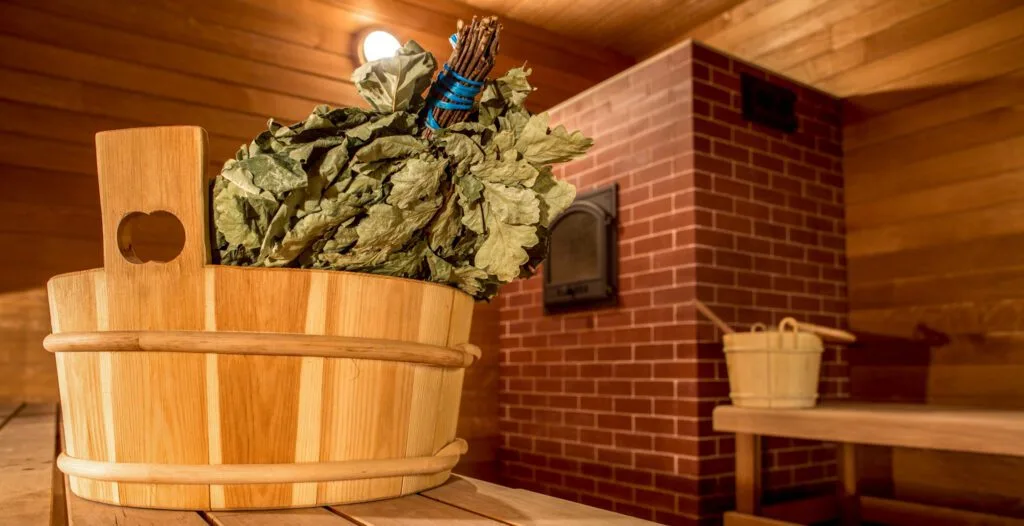
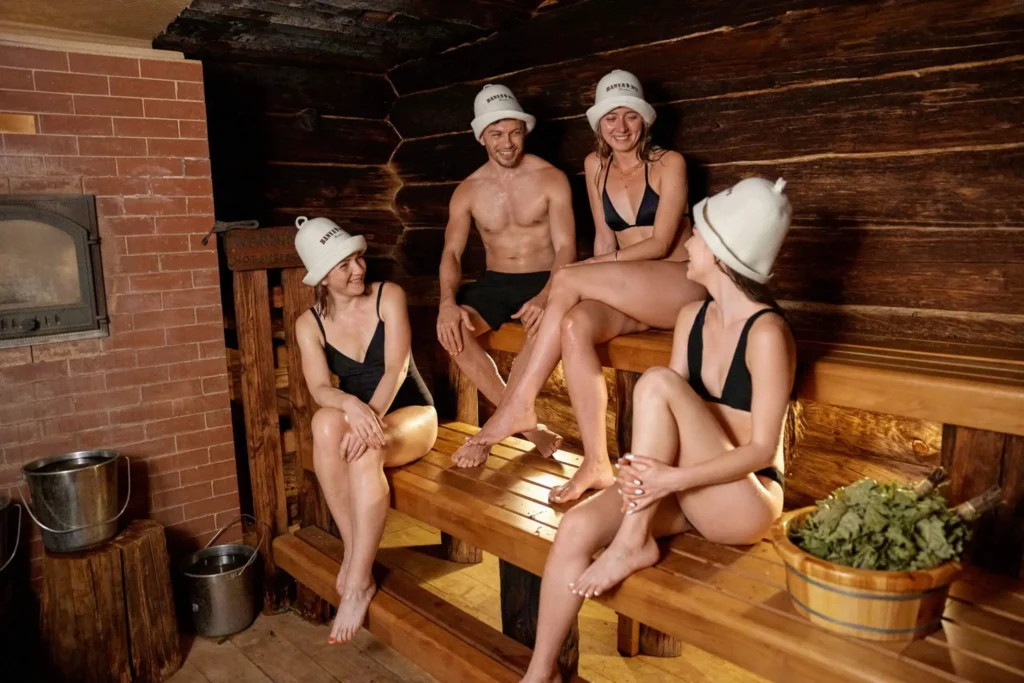
In many cultures, including Eastern European banya traditions, cold is used as part of a cycle: heat, followed by cold, followed by rest. This contrast therapy approach creates alternating stimulation and recovery phases, rather than relying on a single extreme input.
Compared to standalone ice baths, contrast therapy may feel more sustainable and balanced. The body is not only stressed but also supported through warmth, circulation and relaxation.
You can see how this works in practice within a broader thermal spa experience or through facilities that combine sauna, steam and cold immersion where ice bath use is only one part of the cycle rather than the main focus.
A More Balanced Approach to Recovery
Recovery is rarely driven by a single tool.
A more complete approach tends to include a combination of elements:
- heat exposure (such as sauna)
- controlled cold exposure
- massage and bodywork
- adequate rest and hydration
Each of these contributes in a different way. Cold water therapy can play a role, but it is only one piece of a larger picture.
At Banya No.1 – Hoxton, for example, the emphasis is less on extremes and more on balance — combining heat, cold and massage-based treatments or structured wellness spa packages rather than relying on a single intervention.
Are ice baths good for recovery?

Ice baths can help reduce muscle soreness in the short term, especially after intense exercise. However, they do not consistently improve long-term recovery or performance, and their benefits depend on timing, frequency and training context.
How often should you take an ice bath?
For most people, occasional use is more appropriate than daily exposure. Frequent ice baths may reduce their effectiveness and could interfere with muscle adaptation, particularly in strength-focused training.
Conclusion
Ice baths are not without value. Cold exposure can influence how the body feels after exertion, and for some people, it can be a useful tool in specific situations.
At the same time, they are not a universal solution. The benefits are often short-term, the evidence is mixed, and overuse may carry drawbacks.
Seen in context, ice baths are best understood as one option among many — not a replacement for broader, more balanced approaches to recovery. Traditional systems that combine heat, cold and rest offer a perspective that feels less extreme, and more sustainable over time.
References
- Bleakley CM et al. (2012). Cold water immersion for preventing and treating muscle soreness after exercise. Cochrane Database of Systematic Reviews.
- Hohenauer E et al. (2015). The effect of post-exercise cryotherapy on recovery characteristics: a systematic review and meta-analysis. PLoS ONE.
- Roberts LA et al. (2015). Post-exercise cold water immersion attenuates acute anabolic signalling and long-term adaptations in muscle to strength training. Journal of Physiology.
- Tipton MJ et al. (2017). Cold water immersion: kill or cure? Experimental Physiology.