
Stress Awareness Week UK – How a Visit to Banya No.1 Hoxton Can Help You Reset

Every November, the UK participates in International Stress Awareness Week – a time to pause, reflect and act on one of the most pervasive issues of modern life: stress.
If you’re feeling overwhelmed, juggling work, city life or parenting – a step into the heat of the steam, the calm of wood and the ritual of the banya at our Hoxton venue can be a powerful part of your stress-wellbeing strategy.
What Is Stress Awareness Week and Why It Matters
International Stress Awareness Week (ISAW) is held annually across the UK in early November and focuses this year on optimising employee well-being through strategic stress management.
According to the Health and Safety Executive, around 776,000 UK workers reported suffering from work-related stress, depression or anxiety in 2023–24 – nearly half of all self-reported work-related ill health. The economic cost is huge: over 16 million working days were lost due to stress, depression and anxiety that year.
In short: stress isn’t just about “feeling busy” – it affects productivity, relationships, sleep and long-term health.
Recognising Stress – Signs, Causes & Impact
Common Causes of Stress in Modern UK Life
Life in London (and most UK cities) brings a mix of pressures: long commutes, high living costs, blurred work-life boundaries, constant online connection and social comparison.
Typical Signs and Symptoms
- Emotional: irritability, anxiety, mood swings, feeling overwhelmed
- Physical: headaches, disturbed sleep, neck or back tension, fatigue
- Behavioural: withdrawal, poor concentration, increased alcohol or caffeine use
Why Ignoring Stress Is Risky
Chronic stress can contribute to cardiovascular problems, hypertension, insomnia and weakened immunity. In workplaces, employers are legally obliged to assess and act on stress risk – but individuals also need tools to manage it in everyday life.
From Stress to Recovery – How a Banya Session Helps

What if part of your stress-management toolkit was a return to ritual, warmth and embodied calm? We believe the traditional Russian banya – combining heat, steam, massage and cold plunge – can help balance body and mind.
What Happens During a Session
As you enter the steam room, your body warms up, blood vessels expand and you start to sweat — a gentle cardiovascular workout that relaxes muscles and clears the mind.
Then comes the contrast: a quick dip into the cold plunge awakens the senses, boosts circulation and releases endorphins, easing both tension and fatigue.
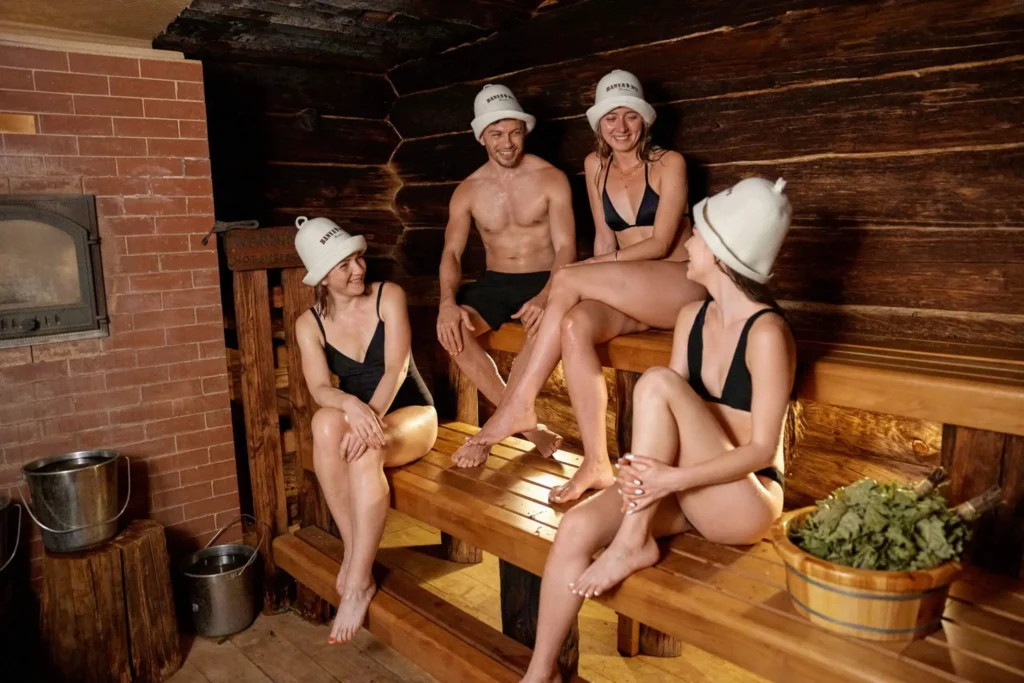
For the best effect, we recommend a package with Parenie treatment — a thermal ritual with leafy venik branches that combines heat, movement and aroma to deepen relaxation and help the body fully let go of stress.
Mental and Emotional Benefits

- Heat exposure can help lower cortisol, the main stress hormone.
- The experience releases endorphins – the body’s natural “feel-good” chemicals.
- The banya offers a rare break from screens and noise: a mindful, sensory pause.
- Regular sessions can support better sleep and faster physical recovery.
Combine Banya with Other Stress-Reduction Tools
Heat therapy complements other approaches such as mindfulness, yoga, gentle exercise, and spending time with friends. Between heat sessions, many guests pause for herbal tea or a light snack — a mindful way to stay balanced and present throughout the ritual.
Practical Tips to Get the Most from Your Visit
Read our step-by-step guide: How to banya ›
- Arrive early to unwind before your session.
- Hydrate well before and after.
- Start gently – your first heat round might be 10–15 minutes.
- Alternate heat and cool exposure for balance.
- Take quiet time afterwards: breathe, stretch, or simply rest.
Practical Tips for Stress Awareness Week & Beyond
Daily Mini-Actions
- Monday: take a 5-minute deep-breathing break.
- Tuesday: silence phone notifications for an hour.
- Wednesday: schedule your recovery banya session or a 30-minute self-care ritual.
- Thursday: go for a walk at lunch without your phone.
- Friday: share an offline meal or tea with a friend.
Make Wellness a Routine
Try to include at least one restorative habit each week – whether that’s a banya visit, a mindfulness session, or simply time outdoors. Small actions done regularly have greater impact than rare big changes.
For Employers and Teams
Workplace stress is a collective issue — and so is recovery. Encouraging flexible working, supporting mental-health initiatives and organising shared wellness experiences can make a real difference.
At Banya No.1, small groups of colleagues (up to 10 people) can unwind together in a relaxed, screen-free environment — alternating between heat, cold plunge and conversation.
Sharing the banya experience helps teams reconnect on a human level, reduce tension and return to work feeling clearer, calmer and more energised.
When to Seek Professional Help
If you’re constantly anxious, sleepless or struggling to cope, reach out to a mental-health professional. The banya can support your wellbeing but isn’t a substitute for clinical help.
Why Choose Banya for Your Stress Reset

The cycle of hot and cold therapy – from the intense warmth of the steam room to the invigorating chill of the plunge pool – triggers deep relaxation, stimulates circulation, and helps the nervous system reset. This physiological contrast has been shown to ease muscular tension and reduce stress levels naturally.
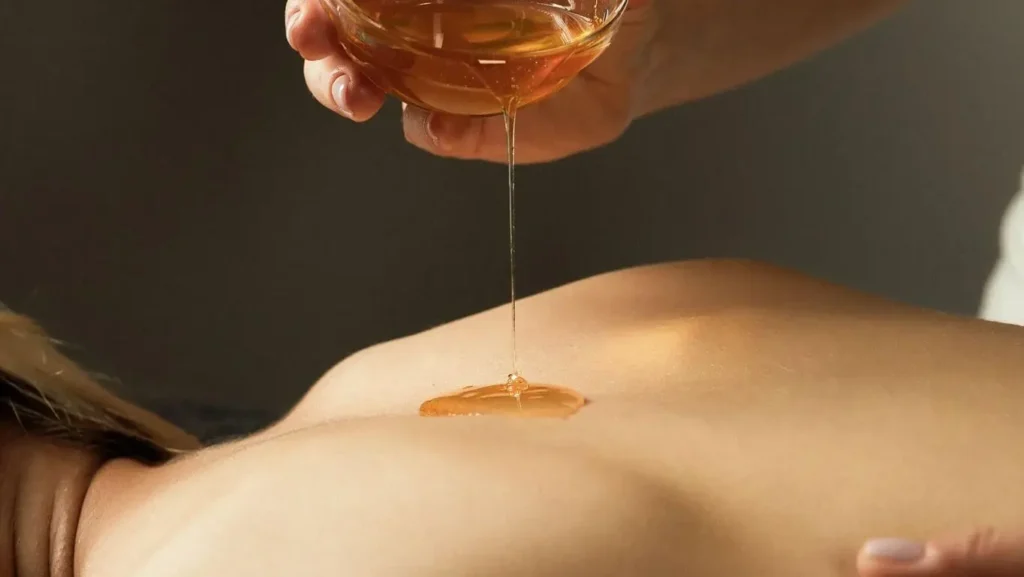
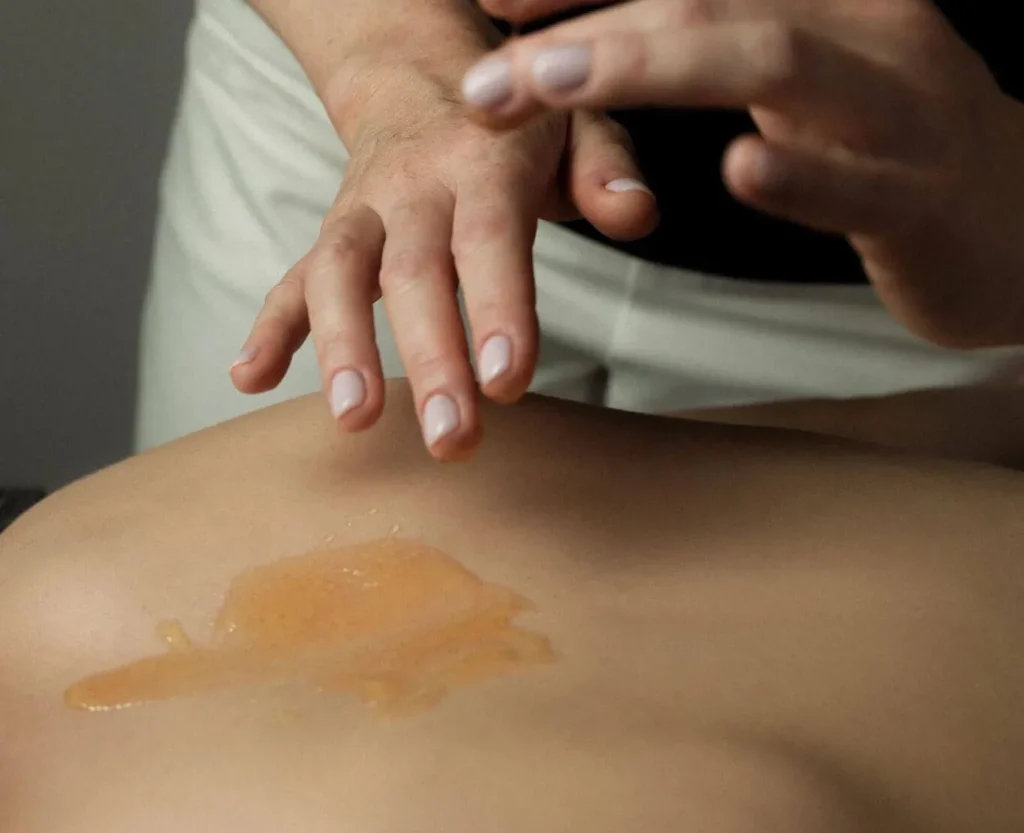
Those seeking a deeper release often complement heat therapy with a deep tissue massage to target tightness caused by long hours at a desk, or with a traditional Parenie ritual – a rhythmic massage using leafy venik branches that enhances circulation and calms the mind through scent, sound, and touch.
Together, these rituals create a mindful rhythm of activation and recovery – a way to reconnect with your body, quiet the mind, and rediscover balance amid the city’s constant motion.
During Stress Awareness Week, it’s a meaningful reminder that wellbeing doesn’t have to be complicated. Sometimes, it begins with something as elemental as fire, water, and breath.