
Manual Massage vs Cellulite Treatments
Many people searching for cellulite treatments or ways to improve skin tone come across a wide range of options. Aesthetic clinics often promote machine-based procedures such as LPG, vacuum massage or radiofrequency skin tightening.
At the same time, traditional spa and banya practices have long relied on manual massage techniques that focus on circulation, lymphatic drainage and deep tissue stimulation.
This raises a natural question: how does manual massage compare with machine cellulite treatments, and what results can realistically be expected?
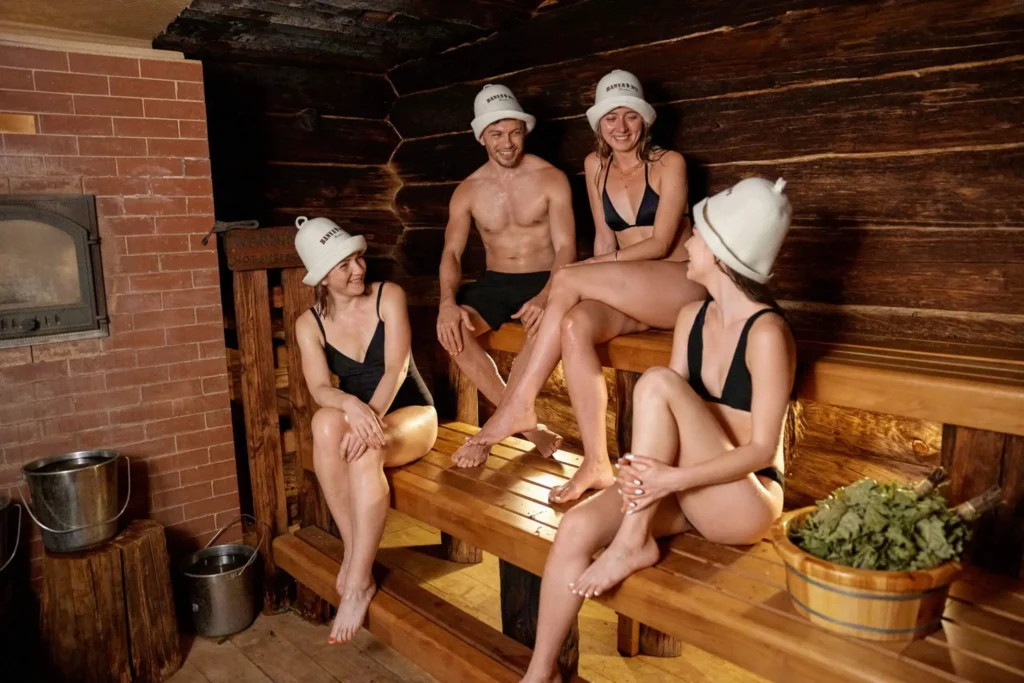
For visitors attending a public banya session at Banya No.1 – Hoxton, massage is usually part of a broader wellness experience that combines heat, body treatments and contrast therapy rather than a purely cosmetic procedure.
What Are Machine Anti-Cellulite Treatments?
Many modern cellulite treatments rely on mechanical devices designed to stimulate the skin and underlying tissues. These procedures are commonly offered in aesthetic clinics and beauty studios.
Some of the most widely used technologies include:
- LPG / Endermologie – a device that uses rollers and suction to lift and massage the skin mechanically.
- Vacuum massage devices – equipment that creates controlled suction to stimulate circulation and lymphatic flow.
- Radiofrequency body contouring – technology that heats deeper layers of the skin to stimulate collagen production.
- Mechanical lymphatic drainage devices – compression systems designed to promote fluid movement through lymphatic pathways.
These treatments typically aim to:
- stimulate circulation
- temporarily reduce the visible appearance of cellulite
- tighten the skin
- encourage collagen activity in deeper tissue layers
Some clinical studies suggest that mechanical and radiofrequency-based treatments may temporarily improve skin appearance and elasticity in some individuals (Journal of Cosmetic Dermatology – radiofrequency skin tightening research).
Machine-based cellulite treatments are usually delivered in a series of appointments. Most clinics recommend several sessions over a number of weeks before visible improvements appear. Maintenance sessions may then be suggested to sustain the effects.
While these technologies can influence the superficial appearance of the skin, they often focus mainly on aesthetic outcomes rather than muscular relaxation or full-body recovery
How Traditional Massage Works
Traditional massage techniques take a more hands-on and adaptive approach. Instead of relying on fixed mechanical patterns, a therapist adjusts pressure, rhythm and technique based on the condition of the body.
This allows the treatment to respond to muscle tension, circulation patterns and the client’s comfort level in real time.
At Banya No.1 – Hoxton, several treatments reflect long-standing spa and banya traditions.
Honey Detox Massage
One of the most distinctive treatments is Honey Detox Massage.
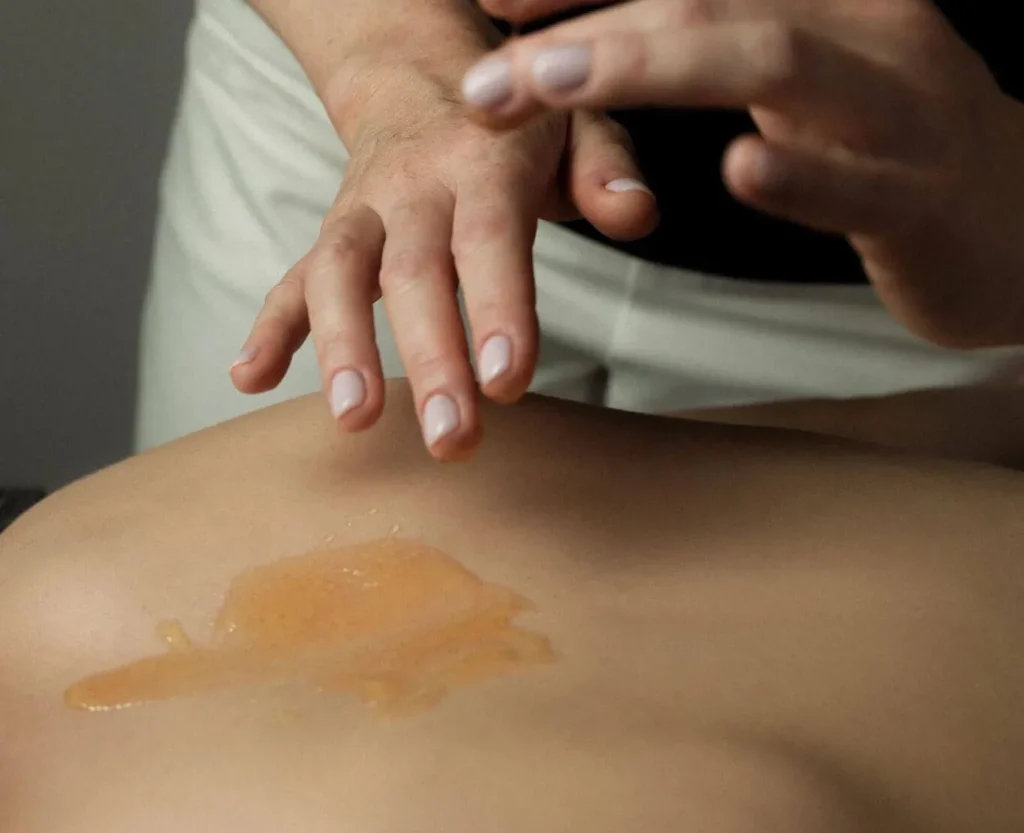
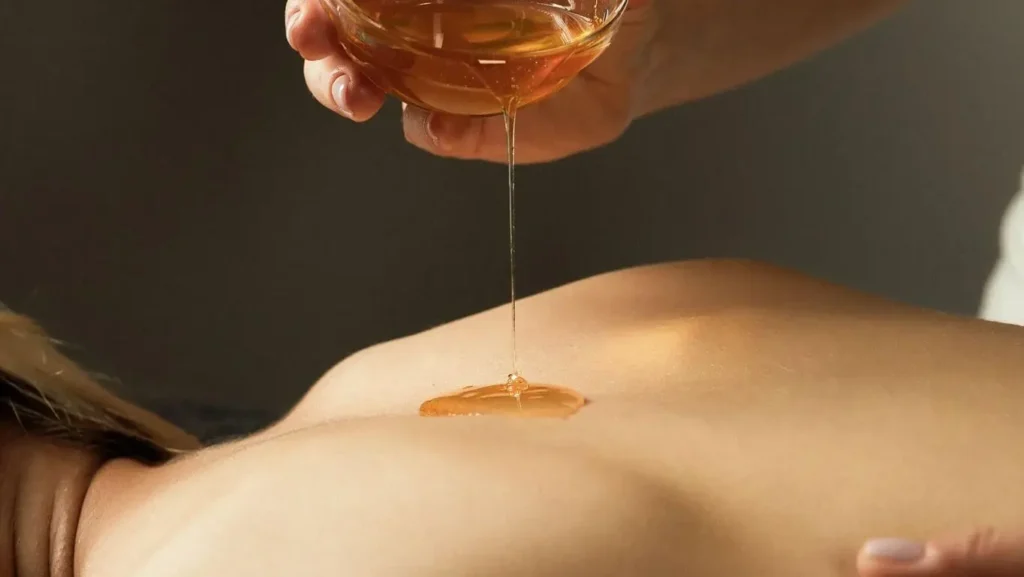
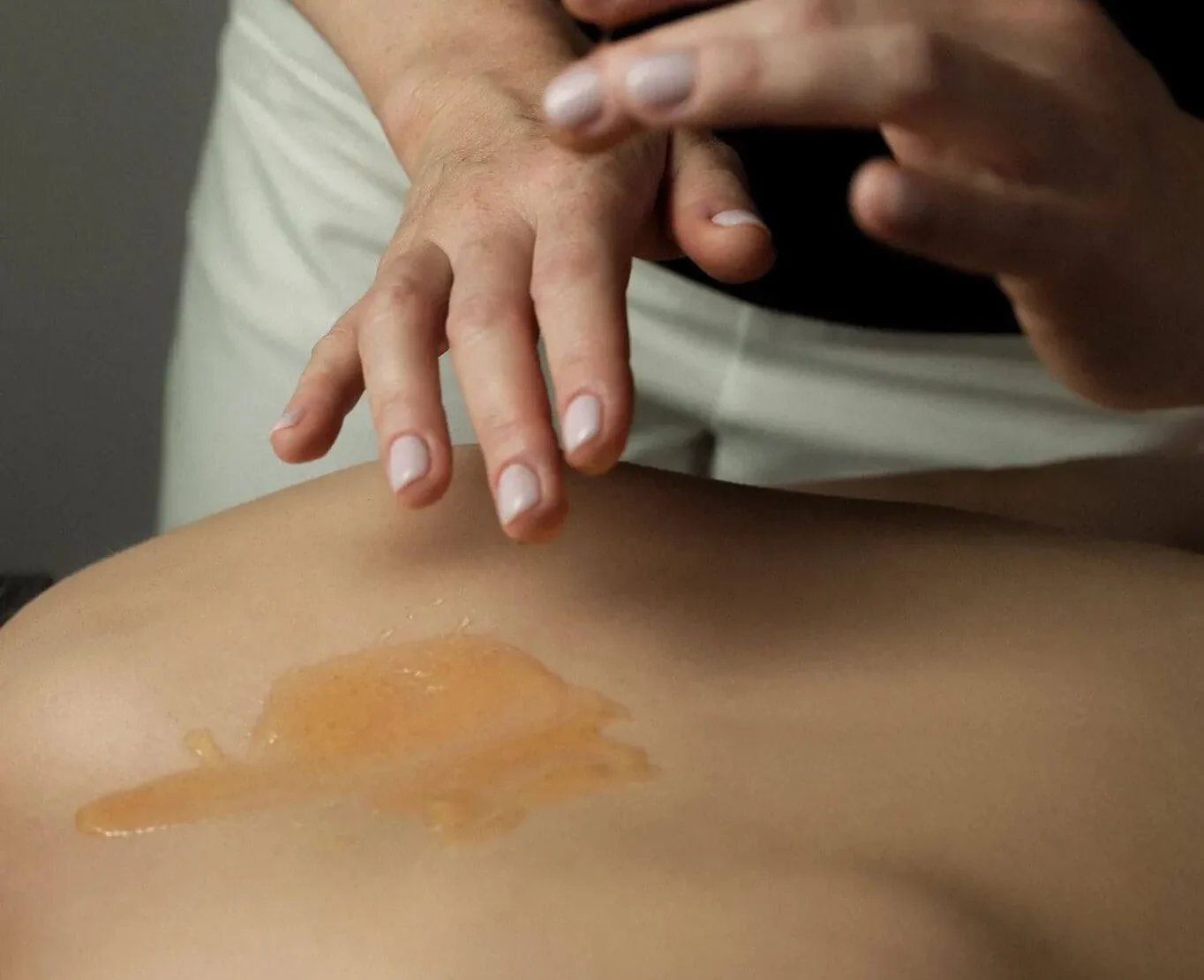
This technique involves applying natural honey to warm skin before performing rhythmic tapping and lifting movements. As the therapist works, the honey creates a mild vacuum-like effect between the hands and the skin.
This method is believed to:
- stimulate blood circulation
- encourage lymphatic flow
- gently exfoliate and cleanse the skin
- support improved skin tone
Because the technique works through repeated lifting movements, it may also temporarily reduce the visible appearance of cellulite in some areas.
The treatment is typically performed after heat exposure in the sauna, when the body is already warm and circulation is elevated.
One example where this treatment is included as part of a broader wellness routine is the Midweek Detox Package.
This experience combines sauna heat, the traditional Parenie ritual and Honey Detox Massage to support circulation, relaxation and skin revitalisation within a structured thermal cycle.
Deep Tissue Massage
Deep Tissue Massage focuses on deeper layers of muscle and connective tissue.
Unlike treatments designed mainly for skin appearance, this approach targets chronic tension and restricted mobility.
The treatment may help to:
- release muscular tightness
- improve blood circulation
- support recovery after physical activity
- promote overall relaxation
For people who run, train regularly or spend long hours sitting at a desk, deep tissue work can support muscle recovery as well as general wellbeing.
Manual Massage vs Machine Cellulite Treatments
Although both approaches aim to influence circulation and tissue stimulation, their focus and experience can differ significantly.
Manual Massage (Traditional Spa / Banya)
- personalised pressure and technique
- responsive to the body’s condition
- stimulates circulation and lymphatic flow naturally
- improves muscular relaxation and mobility
- often combined with sauna or steam heat
In a traditional banya environment, treatments may also be integrated with rituals such as the Parenie Ritual, where heated bundles of birch or oak branches stimulate circulation and provide deep heat therapy.
Machine-Based Cellulite Treatments
- standardised mechanical stimulation
- often designed primarily for cellulite appearance
- usually delivered in aesthetic clinics
- less focus on muscle relaxation or recovery
- limited ability to adapt to changing muscle tension
Rather than being direct alternatives, these approaches often address different goals. Machine-based cellulite treatments tend to emphasise cosmetic changes in skin texture, while manual massage focuses on circulation, muscular health and overall relaxation.
Is Massage Effective for Cellulite?
Massage cannot permanently remove cellulite, but it may temporarily improve circulation and reduce the visible appearance of uneven skin texture.
Regular massage may also support lymphatic flow and skin tone when performed consistently and combined with healthy lifestyle habits such as physical activity and hydration.
Machine-based cellulite treatments may influence skin texture through mechanical or thermal stimulation, but results also vary depending on individual physiology and treatment frequency
How Often Should Massage Be Done for Visible Results?
When considering massage for skin appearance or circulation, it is important to keep expectations realistic.
A single session can temporarily improve blood flow and leave the skin looking more vibrant, but longer-lasting changes usually require consistency.
Many therapists suggest the following pattern:
- Initial course: once per week for around 4–8 sessions
- Maintenance: every 2–4 weeks depending on individual needs
Results vary between individuals and depend on several factors such as hydration, physical activity, circulation and overall lifestyle.
Massage should generally be seen as one element of a broader wellbeing routine rather than a standalone solution.
Why Sauna and Banya May Enhance Massage Results
One reason traditional banya treatments feel particularly restorative is the way massage is combined with heat and contrast therapy.
A typical session follows a rhythm of:
hot → cold → rest → repeat
Heat exposure in the sauna helps relax muscles and expand blood vessels. This can increase circulation and prepare the body for massage.
Cooling phases – such as an ice bath or cold plunge – then stimulate circulation again through rapid temperature change.
This contrast cycle is a central part of many banya visits and is included in experiences such as the sauna and plunge experience.
At Banya No.1 – Hoxton, visitors can explore this full sequence through various spa packages or through a private banya experience for a more personalised session.
These treatments combine:
- steam heat
- body treatments
- massage techniques
- contrast therapy
Together they create a holistic wellness experience rather than a purely aesthetic treatment.
For those interested in learning more about the origins of these practices, the Russian banya tradition offers centuries-old rituals focused on heat, recovery and relaxation.
How Long Do Cellulite Treatment Results Last?
The visible effects of both massage and machine-based cellulite treatments are usually temporary. Skin may appear smoother shortly after treatment due to improved circulation and fluid movement.
For this reason, both aesthetic clinics and massage therapists often recommend a course of sessions followed by periodic maintenance treatments.
Long-term improvements in skin appearance are typically influenced by multiple factors including physical activity, hydration, body composition and overall lifestyle.
Conclusion
Machine-based anti-cellulite treatments and traditional massage techniques both aim to stimulate circulation and improve tissue condition, but they approach the goal in different ways.
Mechanical technologies often focus on aesthetic changes in skin texture, while manual massage provides a more personalised treatment that can address muscle tension, circulation and overall relaxation.
When performed regularly, massage may contribute to improved skin tone and wellbeing, particularly when combined with heat and contrast therapy.
For visitors seeking a holistic approach rather than a purely cosmetic procedure, the treatments and sauna rituals at Banya No.1 – Hoxton offer a traditional way to support both relaxation and body recovery.